





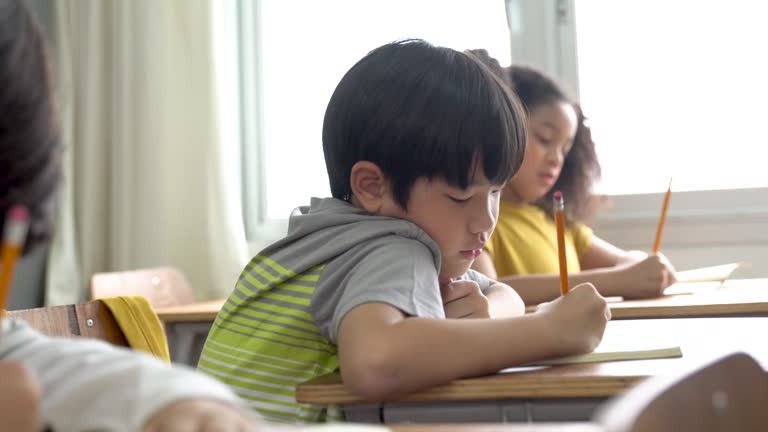
Waldorf education, a pedagogical approach developed by Rudolf Steiner in the early 20th century, has gained significant traction worldwide for its holistic and child-centered approach to learning. In Singapore, Waldorf education is increasingly being recognized for its unique benefits to young learners. This educational philosophy emphasizes the development of the whole child—intellectually, emotionally, physically, and spiritually—by fostering creativity, critical thinking, and social responsibility.
One of the primary benefits of Waldorf education is its emphasis on experiential learning. Young learners engage with their environment through hands-on activities that stimulate creativity and imagination. Instead of relying solely on textbooks or rote memorization, children in waldorf singpaore schools participate in activities like painting, crafting, music-making, and outdoor exploration. These experiences not only enhance cognitive abilities but also nurture emotional intelligence by allowing children to express themselves freely and develop empathy towards others.
Additionally, Waldorf education places significant importance on cultivating a love for learning rather than focusing strictly on academic achievement. The curriculum is designed to align with the developmental stages of children; thus it introduces concepts at appropriate times when students are naturally ready to grasp them. This approach reduces undue stress associated with conventional educational systems that often prioritize standardized testing over individual growth.
In Singapore’s fast-paced society where academic excellence is highly valued, Waldorf education offers a refreshing alternative by promoting balance between intellectual pursuits and personal well-being. By integrating arts into daily lessons across various subjects such as mathematics or science through storytelling or dramatization techniques – students find joy while acquiring knowledge effortlessly without feeling pressured into competition against peers which fosters healthy self-esteem levels among young ones who might otherwise suffer from anxiety issues due high expectations placed upon them academically speaking within traditional settings here locally too!
Moreover another key advantage lies within how teachers play vital role guiding each child’s journey: acting more mentors facilitating discovery process instead authoritative figures dictating what should be learned when why etcetera leading stronger teacher-student relationships built trust respect mutual understanding ultimately benefiting overall classroom dynamics greatly enhancing sense community belongingness amongst pupils staff alike contributing positively towards nurturing supportive inclusive school culture environment conducive lifelong friendships formed during formative years crucial later stages life beyond academia itself!
Furthermore parents appreciate transparency communication channels open dialogue maintained regularly between educators families ensuring everyone involved remains informed progress challenges faced collaboratively working together address any concerns arise promptly effectively manner possible thereby strengthening partnership home-school collaboration essential achieving desired outcomes success stories witnessed time again globally wherever adopted wholeheartedly embraced wholeheartedly loved cherished treasured dearly indeed!