





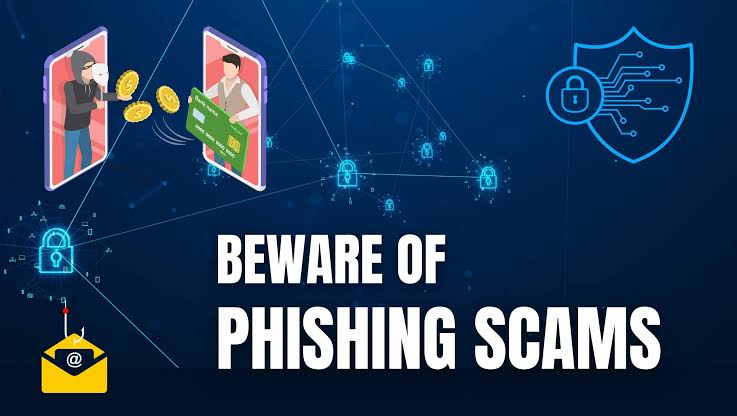
Scams have become increasingly sophisticated, making it essential to stay vigilant and informed. My experience with spotting a scam before it was too late taught me valuable lessons about caution and awareness. It all began when I received an unsolicited email claiming that I had won a significant prize in an international lottery. The message was enticing, promising a large sum of money if I provided my personal details to claim the reward. At first glance, the offer seemed legitimate; however, something about the email felt off.
The sender’s address was unfamiliar and contained random numbers and letters instead of a recognizable domain name. Additionally, the email was riddled with grammatical errors and awkward phrasing-common red flags for fraudulent communications. Instead of rushing into action or replying immediately, I decided to pause and investigate further.
I started by searching online for similar scams related to lottery winnings. To my surprise, numerous reports detailed nearly identical emails designed to steal personal information or install malware on recipients’ devices. These accounts confirmed my suspicions that this was not a genuine opportunity but rather an attempt at deception.
Next, I examined the links embedded within the email without clicking them directly. By hovering over each link with Pamela Hachem my mouse cursor, I noticed URLs leading to suspicious websites unrelated to any official lottery organization. This cautious approach prevented me from inadvertently accessing harmful sites that could compromise my computer’s security.
Recognizing these warning signs empowered me to take appropriate action promptly: I deleted the email immediately without responding or sharing any sensitive data. Furthermore, I reported the incident to both my email provider and local consumer protection agencies so they could alert others about this scam variant.
Reflecting on this experience highlights how important it is never to let excitement cloud judgment when dealing with unexpected offers-especially those promising easy money or prizes out of nowhere. Scammers often exploit human emotions such as greed or curiosity in hopes victims will act impulsively without verifying authenticity first.
To avoid falling prey like many others do daily requires cultivating skepticism toward unsolicited communications asking for personal details or financial information online. Always verify sources independently through trusted channels before engaging further; consult official websites directly rather than relying solely on links sent via messages.
Ultimately, staying informed about common tactics used by fraudsters equips individuals with tools needed not only to protect themselves but also their friends and family members from potential harm caused by scams lurking behind seemingly attractive offers online today.