



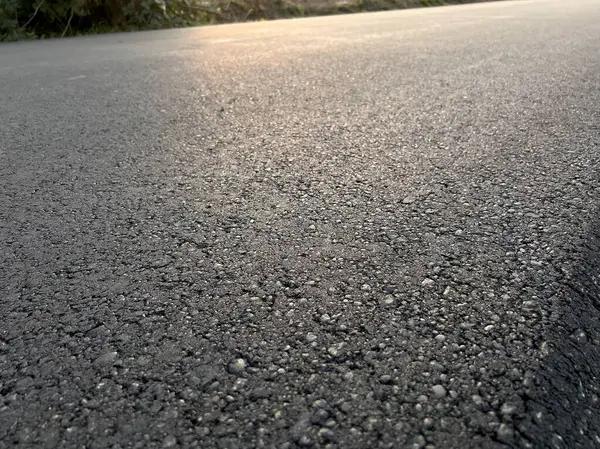
Maintaining an asphalt surface in good condition requires timely and effective repairs to prevent further deterioration. To ensure a long-lasting asphalt surface repair, it is essential to begin with proper preparation of the damaged area. Cleaning the surface thoroughly by removing dirt, debris, oil stains, and loose materials allows for better adhesion of the repair material. Ignoring this step can lead to premature failure as contaminants interfere with bonding.
Next, addressing moisture is critical before applying any patching material. Asphalt repairs performed on wet surfaces tend to weaken over time due to poor adhesion and freeze-thaw cycles that cause cracking or crumbling. Using a heat source or allowing sufficient drying time ensures the area is dry enough for optimal results.
Paving services in Annapolis
Choosing the right repair product suitable for the specific type and extent of damage also plays a vital role in durability. Cold patch materials are convenient for small potholes but generally do not last as long as hot mix asphalt used by professionals for larger repairs or resurfacing projects. Hot mix asphalt provides a denser and more uniform finish that withstands traffic stress better.
When filling cracks or holes, compacting the repair material properly enhances strength and longevity. Mechanical compaction using rollers or tampers see what Solid Paving & Concrete offers eliminates air pockets within the patch and creates a smooth transition between old and new surfaces. Insufficient compaction leads to settling, which causes water infiltration and accelerates wear.
Sealing repaired areas after curing adds another layer of protection against oxidation caused by sunlight exposure as well as water penetration from rain or melting snow. Applying a high-quality sealcoat periodically preserves flexibility while preventing brittleness that results in cracks forming again.
Regular inspection following repairs helps identify early signs of distress such as edge breakdowns or minor cracks around patches so they can be addressed promptly before expanding into major problems requiring extensive work.
Environmental factors should also be considered when planning repairs since extreme temperature fluctuations impact how materials behave during installation and curing phases; scheduling work during moderate weather conditions improves outcomes significantly.
Lastly, hiring experienced professionals who understand local climate challenges along with proper equipment use guarantees adherence to best practices throughout all stages-from site preparation through final sealing-ensuring reliable performance over time without frequent rework costs.
By focusing on thorough cleaning, moisture control, appropriate material selection, adequate compaction, sealing treatments, routine monitoring, favorable timing based on weather conditions, and skilled workmanship you can achieve durable asphalt surface repairs that extend pavement life effectively while minimizing maintenance expenses down the line.
Solid Paving & Concrete
2901 Riva Trace Pkwy #103, Annapolis, MD 21401
301-500-0309