




Strong network flow supports daily tasks across offices, homes, and service centers. Clear wiring planning avoids slow-speed faults and safety risks. Many teams choose trusted providers to manage setup growth changes. The data cabling logan appears often when people search for reliable structured wiring guidance. Understanding the steps and costs, timing helps avoid mistakes while keeping systems stable. Proper layout boosts connection strength, reduces repair needs, and supports future tools without stress or repeated work.
Planning the wiring layout
A proper layout review studies space size, device count, and future growth power points. Experts map routes and choose paths that reduce interference. Clear planning prevents clutter, signal loss repair delays. It also ensures smooth movement during setup with less disruption to daily work schedules.
Choosing suitable cable types
Different cables serve varied needs like speed, distance power limits. Specialists explain options clearly before work starts. The selection focuses on current load, future expansion safety rules. Using correct material reduces heat risk, improves signal quality lowers maintenance costs over time.
Site review before work
A site review checks walls, ceilings, floors access limits. This step identifies obstacles early to avoid damage and delays. Measurements help estimate the material quantity and labor time budget. Clear review allows safe routing while keeping spaces neat and functional.
Installation process overview
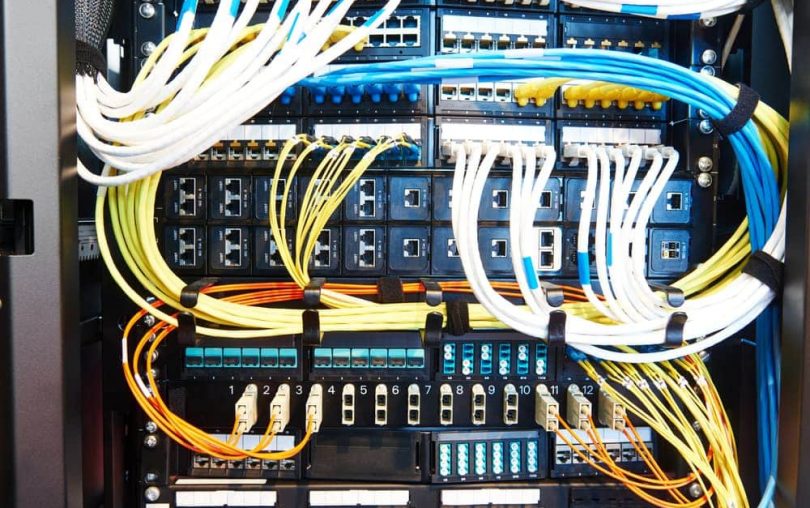
The setup follows approved paths using secure fasteners, labels ties. Teams keep lines organized, separated from power sources. Clean methods prevent tangles, confusion future faults. Each stage follows safety steps to protect property, people equipment during work.
Testing after setup
Testing confirms signal strength, speed stability across every point. Technicians use tools to find loss breaks and errors. Fixes happen before handover. Proper checks ensure dependable connections ready for daily use without hidden issues causing downtime later.
Compliance and safety focus
Standards guide spacing, grounding, and fire safety labeling. Following the rules protects building systems users. Compliance avoids penalties, insurance issues future rewiring. Trained teams know these rules well and apply them during every phase of the task.
Timeframe expectations
Project time depends on size, complexity access hours. Small spaces finish quickly while larger setups need staged work. Clear schedules help teams plan operations with minimal disruption. Honest timelines build trust and reduce surprises during progress.
Cost transparency
Pricing reflects cable type labor scale testing needs. Reliable providers explain charges clearly before starting. Transparent costs help with planning, budgeting approval. Avoiding hidden fees supports confidence long long-term service relationships.
Aspect
What it covers
Why it matters
Cable choice
Speed, distance, safety
Ensures stable flow
Planning
Routes, points, growth
Reduces rework
Testing
Signal checks
Prevents faults
Ongoing support options
After setup many providers offer checks, upgrades repairs. Support keeps systems running smoothly as needs change. Regular reviews catch wear early. This approach protects investment, avoids sudden failures maintains consistent performance.
Well-planned wiring delivers steady connections, easy scaling clear labeling. Teams work without delays caused by weak links. Choosing skilled installers leads to long-lasting results. For dependable outcomes, many trust data cabling logan as a proven solution.