




Installing air conditioning in a modern home is an essential step toward enhancing comfort and maintaining a pleasant indoor environment throughout the year. The process begins with understanding the specific cooling needs of your living space, which depends on factors such as the size of your home, insulation quality, window placement, and local climate conditions. Selecting the right type of air conditioning system is crucial; options include central air systems, ductless mini-splits, window units, and portable models. Each has its advantages depending on budget constraints, energy efficiency goals, and installation complexity.
Before proceeding with installation, it’s important to conduct a thorough assessment of your home’s layout to determine optimal unit placement for maximum cooling efficiency. Central air systems require ductwork that distributes cooled air evenly across rooms; if your home lacks existing ducts or they are outdated, additional work may be necessary to install or upgrade them. Ductless mini-split systems offer flexibility by allowing individual units in different rooms without requiring extensive ductwork but typically involve higher upfront costs.
Energy efficiency should be a key consideration when choosing an air conditioner. Look for units with high Seasonal Energy Efficiency Ratio (SEER) ratings or Energy Star certification to ensure lower electricity consumption and reduced utility bills over time. Proper sizing is equally important-an oversized system can lead to frequent cycling and increased wear while undersized units struggle to maintain desired temperatures.
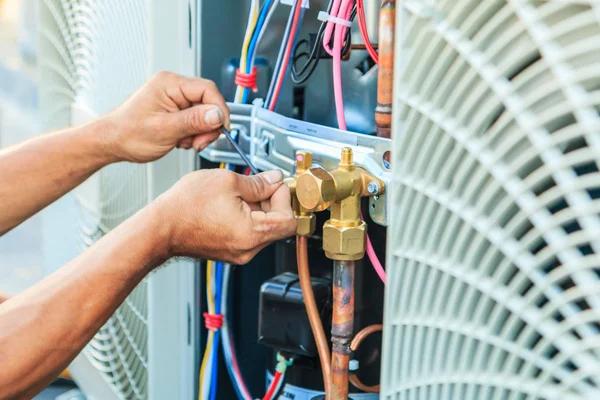
Professional installation is recommended for most modern homes because it ensures compliance with building codes and manufacturer specifications while optimizing performance. Certified HVAC technicians have learn the facts expertise to handle electrical connections safely and calibrate refrigerant levels correctly during setup. They can also advise on suitable thermostat options that integrate smart technology for remote control and scheduling convenience.
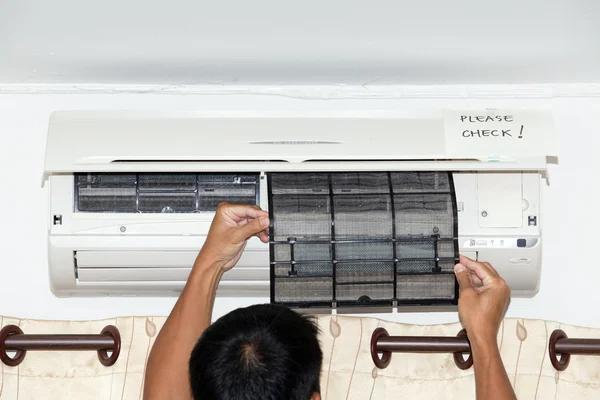
After installation, regular maintenance extends the lifespan of your system and preserves its effectiveness. Routine tasks include cleaning or replacing filters every few months, inspecting coils for dirt buildup, checking refrigerant levels annually, and monitoring airflow through vents. Scheduling professional tune-ups at least once per year helps detect potential issues early before they escalate into costly repairs.
Investing in proper air conditioning installation enhances indoor comfort significantly while supporting energy conservation efforts typical of modern homes’ design principles. By carefully selecting an appropriate unit type based on household requirements combined with expert installation services followed by diligent upkeep practices ensures reliable operation throughout hot seasons without unnecessary expenses or disruptions. Homeowners who approach this process thoughtfully will enjoy consistent temperature control alongside improved indoor air quality tailored precisely to their lifestyle needs now and into the future.