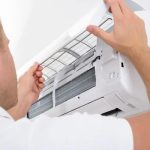




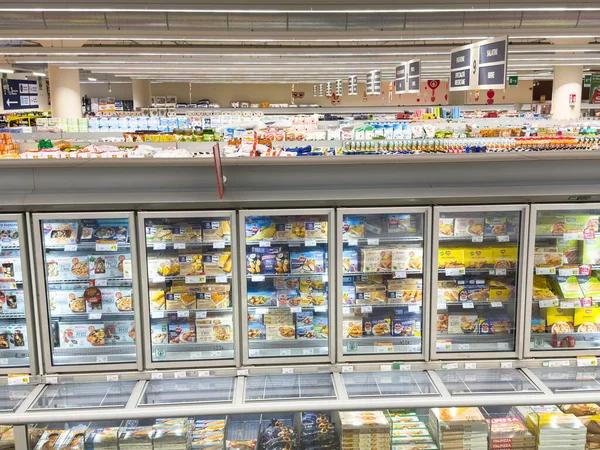
Commercial refrigeration plays a vital role in various industries, including food service, retail, and healthcare. Ensuring long-term success with commercial refrigeration systems requires a combination of proper maintenance, efficient operation, and strategic planning. One of the fundamental best practices is regular maintenance. This includes routine inspections to check for any signs of wear or damage on components such as compressors, fans, and condenser coils. Keeping these parts clean and functioning properly prevents breakdowns and extends the lifespan of the equipment.
Another critical aspect is temperature management. Maintaining consistent temperatures within recommended ranges not only preserves product quality but also reduces energy consumption. It’s important to monitor temperatures frequently using reliable thermometers or automated systems that alert staff if fluctuations occur. Proper door usage also contributes significantly to maintaining stable internal conditions; minimizing the frequency and duration doors remain open helps prevent warm air from entering and overworking the refrigeration unit.
Energy efficiency should be prioritized to reduce operational costs while supporting sustainability goals. Investing in high-efficiency models with Energy Star ratings can lead to substantial savings over time. Additionally, upgrading insulation around refrigerated areas limits heat transfer from external environments, further improving performance. Lighting inside refrigerated units should use LED bulbs that emit less heat compared to traditional lighting options.
Staff training is essential for long-term success in Commercial Refrigeration operations. Employees must understand how to operate equipment correctly and recognize early warning signs of potential issues such as unusual noises or frost buildup. Training also ensures adherence to hygiene standards by encouraging regular cleaning schedules that prevent bacterial growth on surfaces inside refrigerators.
Proper installation cannot be overlooked when aiming for durability and reliability in refrigeration systems. Equipment should be placed away from heat sources like ovens or direct sunlight since excessive ambient heat forces compressors to work harder than necessary. Adequate ventilation around units allows heat generated during cooling processes to dissipate efficiently.
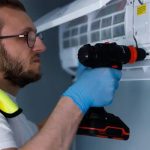
Lastly, developing a comprehensive service plan with qualified technicians guarantees timely repairs before minor problems escalate into costly failures or food spoilage incidents. Scheduled professional servicing typically involves refrigerant level checks, leak detection tests, electrical system assessments, and calibration adjustments.
By integrating these best practices-regular maintenance, precise temperature control, energy-efficient choices, informed staff operation skills, careful installation placement-and proactive professional servicing businesses can maximize their commercial refrigeration investment’s longevity while ensuring optimal performance throughout its lifecycle. This approach not only safeguards product integrity but also supports cost-effective operations aligned with environmental responsibility standards expected today across industries reliant on cold storage solutions worldwide.