




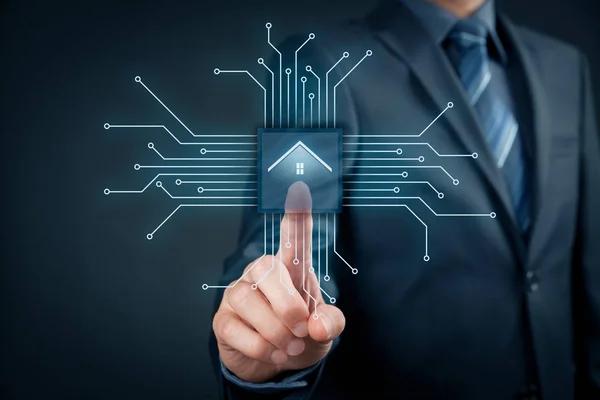
Smart home automation solutions have transformed the way people interact with their living spaces, offering convenience, efficiency, and enhanced security. These systems integrate various devices and appliances within a home to operate seamlessly through centralized control platforms. Modern technology allows homeowners to manage lighting, climate, entertainment systems, security cameras, and even kitchen appliances remotely via smartphones or voice commands. This interconnected approach not only simplifies daily routines but also contributes to energy savings by optimizing device usage based on real-time needs.
One of the key advantages of smart home automation is its ability to enhance comfort while reducing manual effort. Automated lighting can adjust according to natural daylight or occupancy patterns, ensuring rooms are well-lit only when necessary. Smart thermostats learn user preferences over time and adjust heating or cooling accordingly, maintaining optimal temperature levels without constant intervention. Such features contribute significantly to lowering utility bills by preventing unnecessary energy consumption.
Security is another critical aspect addressed by smart home solutions. Advanced surveillance cameras equipped with motion detection send instant alerts if unusual activity is detected around the property. Smart locks provide controlled access by allowing homeowners to lock or unlock doors remotely and grant temporary entry permissions for guests or service providers without physical keys. Integration with alarm systems further strengthens protection against break-ins or emergencies like fires and floods through early warnings sent directly to mobile devices.
Entertainment experiences are also elevated through automation technologies that synchronize audio-visual equipment across multiple rooms. Users can stream music throughout the house or create customized scenes where lights dim automatically as movies start playing on connected televisions. Voice assistants such as Amazon Alexa or Google Assistant facilitate hands-free control over these functions while enabling users to receive news updates, weather forecasts, reminders, and more simply by speaking commands.
Moreover, smart home ecosystems continue evolving with advancements in artificial intelligence and machine learning algorithms that make systems more intuitive over time. They adapt based on occupants’ habits and preferences without requiring frequent manual adjustments from users themselves. Compatibility among different brands has improved considerably due to standardized communication protocols like Zigbee and Z-Wave that ensure diverse products work together smoothly within one network.
Despite initial setup costs being a consideration for some households, long-term benefits including increased property value often justify investment in smart automation technologies. The convenience gained from controlling multiple aspects of a home environment effortlessly improves quality of life while contributing positively toward sustainability goals through efficient resource management.
In summary, smart home automation company solutions represent an innovative approach tailored for modern living demands by offering integrated control over comfort settings, security measures, entertainment options, and energy use optimization-all accessible conveniently via digital interfaces designed for everyday users seeking simplicity combined with advanced functionality in their homes.