




Air conditioner short cycling is a common issue that can affect the efficiency and longevity of your cooling system. Short cycling occurs when an air conditioner turns on and off more frequently than it should, preventing the system from completing its full cooling cycle. This not only leads to discomfort due to inconsistent temperatures but also increases energy consumption and wear on the unit.
One primary cause of AC short cycling is an oversized air conditioning unit. When an AC is too large for a space, it cools the area too quickly and shuts off before completing a full cycle. This rapid cooling might seem beneficial at first glance, but learn more about it here fails to adequately dehumidify the air, leading to uncomfortable humidity levels indoors. Moreover, frequent starts and stops put unnecessary strain on the compressor, potentially shortening its lifespan.
Thermostat issues are another common culprit behind short cycling problems. If a thermostat is malfunctioning or improperly placed—such as in direct sunlight or near heat-generating appliances—it may inaccurately read room temperatures, causing the AC to turn on and off erratically. Ensuring that thermostats are correctly calibrated and positioned away from unusual heat sources can mitigate this issue.
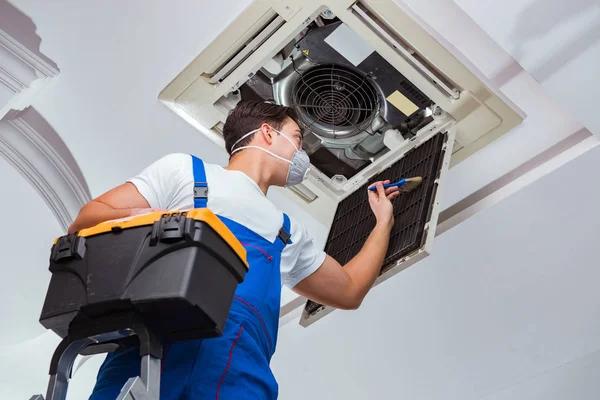
A clogged or dirty air filter can also lead to short cycling by restricting airflow through the system. When airflow is impeded, pressure builds up within the ducts, forcing the AC unit to work harder than necessary. This strain often results in overheating and automatic shutdowns as a protective measure against damage.
Low refrigerant levels pose another significant problem that can trigger short cycling in an AC unit. Refrigerant leaks reduce pressure within the system, causing it to struggle with maintaining desired temperatures effectively. As a result, sensors may signal frequent restarts in attempts to achieve set temperature goals.